Remedial and Maintenance Repairs
Expert Remedial and Maintenance Repairs
Insurance Remedial Building Work
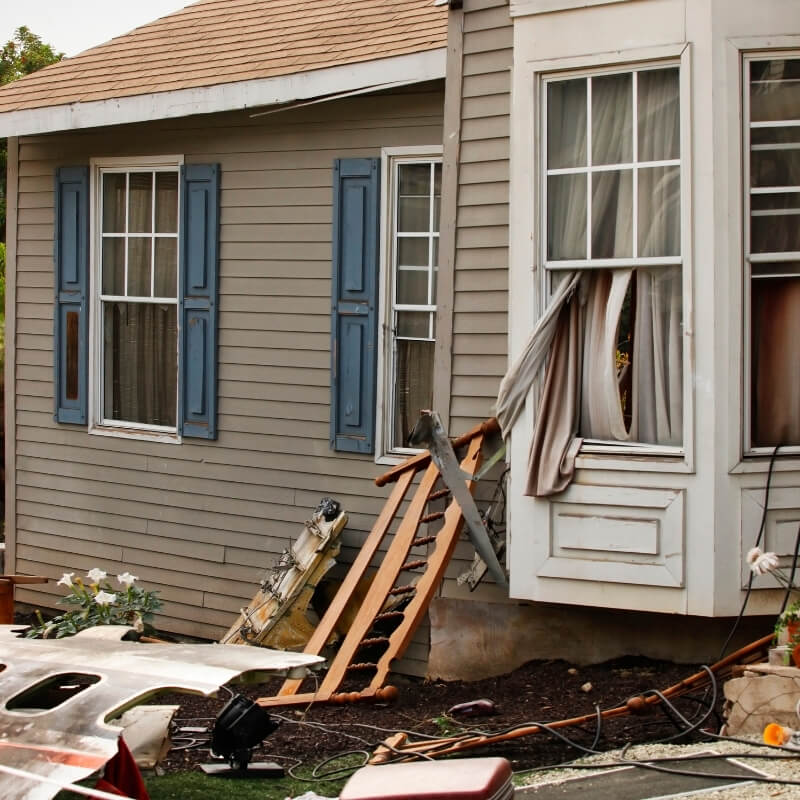
Importance Of Insurance For Remedial Building Work
- This type of work is crucial because it ensures properties affected by unforeseen damage are restored promptly and correctly.
- Beyond maintaining safety and structural integrity, it also protects the property’s long-term value.
- Timely remediation also helps avoid further complications, including mould growth, water ingress, or worsening cracks, which could increase repair costs if neglected.
Types Of Remedial Building Works We do
- Structural repairs
- Waterproofing
- Facade rectification
- Fire damage restoration, or replacing damaged flooring and roofing.
- Storms
- High wind
- Fires
- Fires
- Impact

BCA Compliance Remedial Services
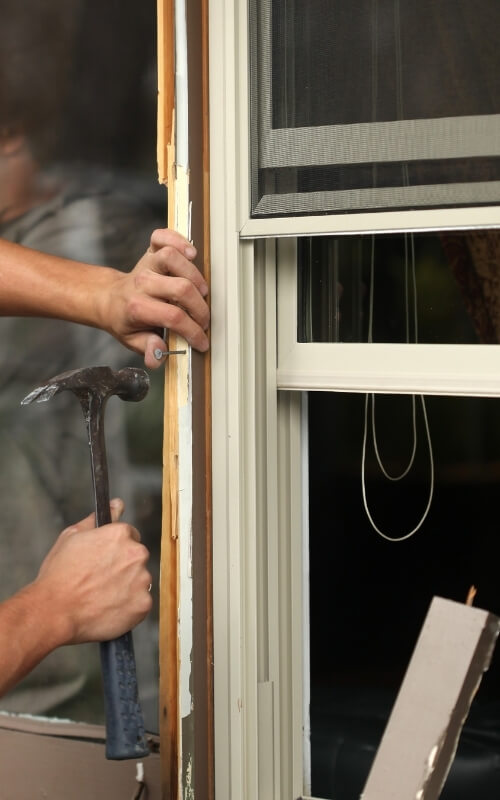
Remedial Repairs
- Waterproofing- Balcony replacements, leaking showers and bathroom repairs
- Concrete cancer and spalling repairs. Concrete cancer is caused when the steel reinforcing within a concrete slab begins to rust. As the steel rust it expands, displacing the concrete around it to become brittle and crack thus accelerating the process.
- Roof repairs and replacements
- Common property rendering and painting
- Door and window repairs and replacements
- Leak detection and repairs
- Cavity flashing repairs
- General building repairs
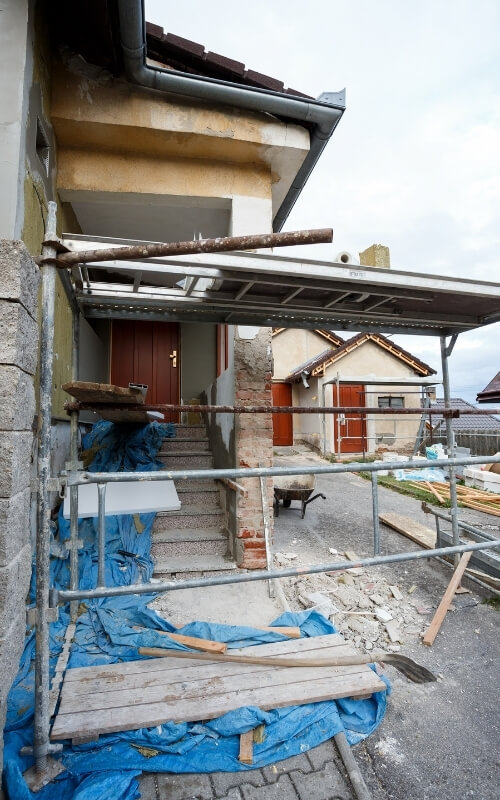
Structural Repairs
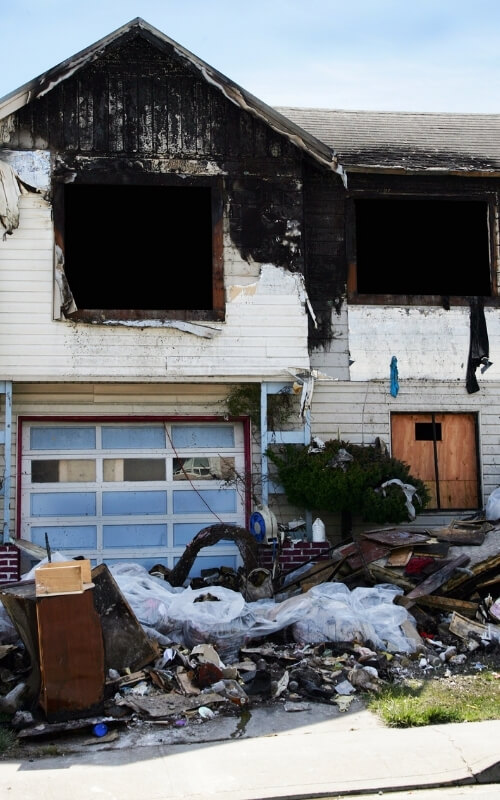
- Your property needs repairs after an insured fire has occurred.
- Your property requires repairs due to damage from water, termites or storm damage.
- You’re planning on putting your home up for sale and want to make sure the roof or structure is in good condition for a prospective buyer.
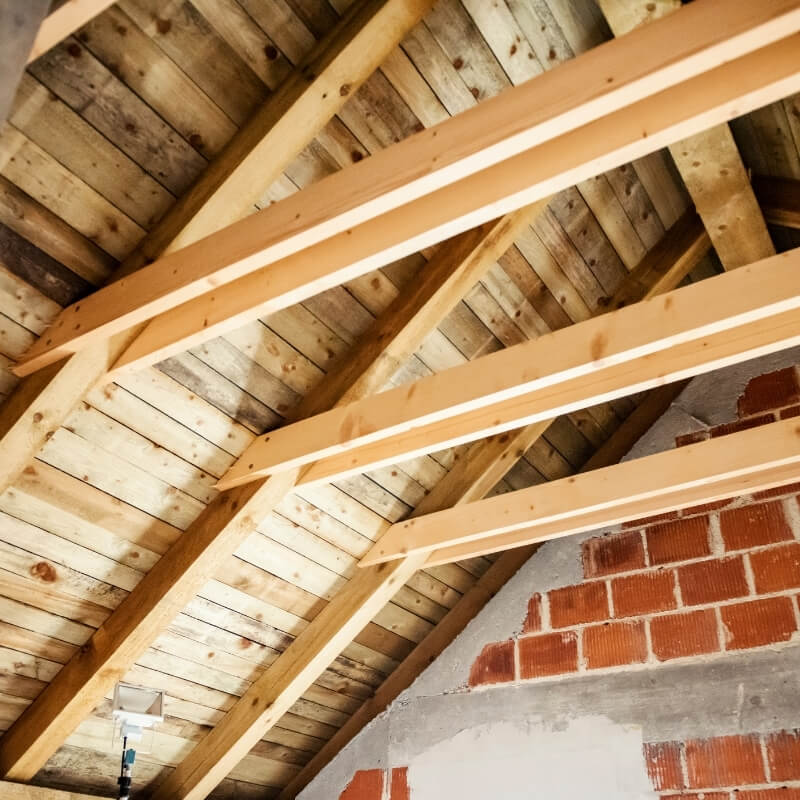
- You want to remove an internal wall and need a supporting beam installed
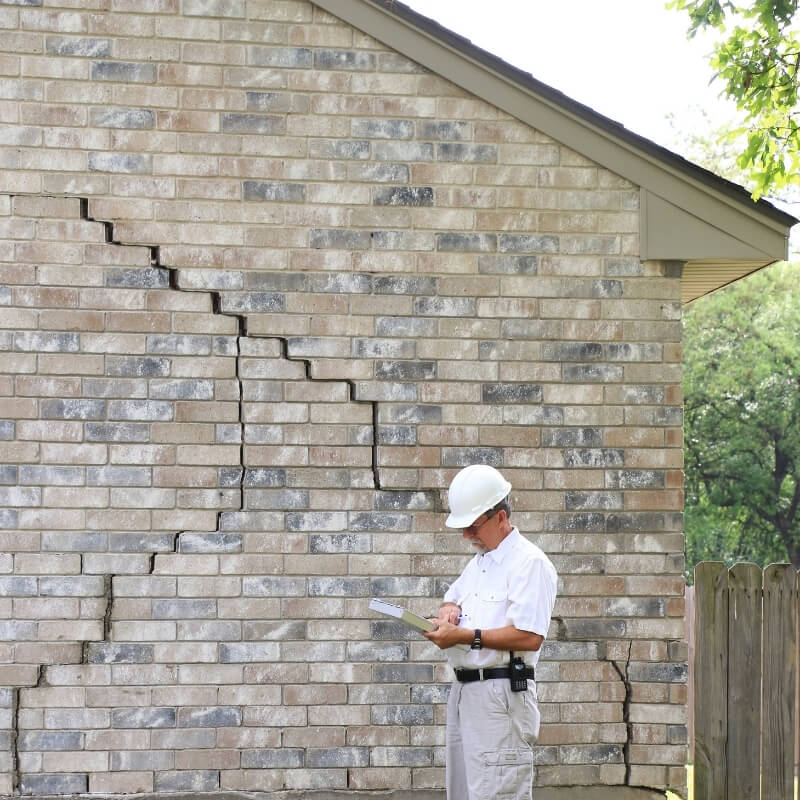
- There is movement, cracking or sinking in your property
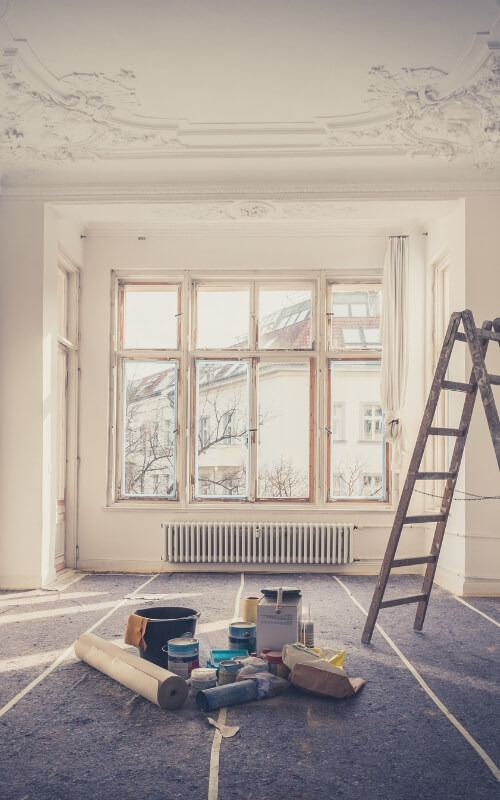
Facade Remediation Services Around Sydney
What Is Facade Remediation?
Why Do Property Owners Value Our Façade Remediation Services Across Sydney?
- Sydney’s buildings are constantly exposed to coastal winds, heavy rains, and strong sunlight, all of which can accelerate façade deterioration.
- Remediation is crucial to protect occupants from hazards like falling debris and to prevent costly water or structural damage.
- It also ensures compliance with updated safety codes, particularly for cladding replacement, which has become a significant requirement in recent years.
- For property owners, façade remediation building work not only improves safety but also preserves property value and enhances the overall appearance of the building.
- Painting and render restoration.
- Water and fire damage restoration.
- Roofing repairs and cleaning.
- Carpentry repairs, maintenance and removal of old walls / termite inspections.
- Decks built or repaired in both timber and composite materials
- Gutter repairs and cleaning
Repair Your Property With Us
Frequently Asked Questions
What Is Included In Professional Remedial Building Repairs And When Are They Necessary?
Professional remedial building repairs involve identifying, repairing, and preventing defects that affect a building’s safety, durability, or compliance. This can include structural repairs, waterproofing remediation, concrete repairs, and facade restoration. These services become necessary when defects compromise structural integrity, safety standards, or long-term performance. Remedial work addresses both visible damage and underlying causes. Early action helps avoid escalating repair costs and further deterioration.
How Do BCA Compliance Remedial Services Ensure A Building Meets Current Safety Standards?
BCA compliance remedial services assess existing structures against current building code requirements. Our specialists identify non-compliant elements related to fire safety, access, structural performance, or durability. Targeted upgrades are then designed to meet regulatory standards without unnecessary demolition. The process often includes documentation, certification, and coordination with relevant professionals. This ensures the building remains safe, lawful, and fit for continued use.
What Types Of Issues Are Commonly Addressed During Insurance Remedial Building Work?
Insurance remedial building work typically addresses damage caused by water ingress, structural movement, impact events, or material failure. Common issues include cracked concrete, corroded reinforcement, damaged facades, and compromised waterproofing systems. The focus is on restoring the building to its pre-damage condition. Repairs are carried out according to scope approvals and technical assessments. Accurate defect identification is essential to support successful claims.
How Does Facade Remediation Help Restore Structural Integrity And Prevent Future Damage?
Facade remediation repairs deteriorated external elements that protect a building from environmental exposure. This may include concrete repairs, joint resealing, cladding rectification, or waterproofing upgrades. By addressing cracks, corrosion, and moisture entry points, structural elements are protected from further degradation. Facade remediation improves both safety and durability. Properly-executed facade repairs also extend the lifespan of the entire structure.
What Are The Most Common Signs A Building Requires Remedial Repair Services?
Common signs when a building requires remedial repair services include cracking, water leaks, spalling concrete, corrosion stains, and movement-related damage. Internally, mould growth, dampness, and surface deterioration often indicate deeper issues. Externally, failing facades or loose materials pose safety risks. These symptoms usually point to underlying structural or waterproofing defects. A professional assessment helps determine the extent and urgency of remedial work.
How Does The Insurance Claim Process Work For Remedial Building Repairs?
The insurance claim process for remedial building repairs typically begins with defect identification and documentation through inspections and reports. Evidence is submitted to support the claim, outlining cause, extent, and required repairs. Once approved, remedial works are carried out in line with the insurer’s scope. Clear communication and accurate reporting are critical throughout. Properly managed repairs ensure compliance while restoring building performance.
Why Is Early Intervention Important When Dealing With Facade Deterioration?
Early intervention is important because it prevents minor facade defects from developing into major structural problems. Small cracks or seal failures can quickly allow moisture ingress, leading to corrosion and material breakdown. Addressing issues early reduces repair complexity and overall costs. It also minimises safety risks from falling materials. Proactive remediation helps preserve both the building’s appearance and structural integrity.
What Factors Affect The Scope And Cost Of BCA Compliance Remedial Upgrades?
The scope and cost depend on the extent of non-compliance, building age, and construction type. Required upgrades may involve structural strengthening, fire safety improvements, or accessibility modifications. Access constraints and occupied conditions can also influence costs. Detailed assessments help define realistic scopes. Well-planned remedial upgrades ensure compliance without unnecessary disruption or overspending.
How Do Remedial Specialists Diagnose Hidden Structural Or Waterproofing Defects?
Our remedial specialists use a combination of visual inspections, moisture testing, and investigative techniques. This may include invasive testing, thermal imaging, or targeted opening-up works. The goal is to identify root causes rather than surface symptoms. Accurate diagnosis ensures repairs address the actual defect. This approach reduces the risk of recurring issues after remediation.
What Materials And Techniques Are Used In Modern Remediation And Maintenance Repairs?
Modern remediation uses advanced materials like high-performance repair mortars, protective coatings, and waterproofing membranes. Techniques include concrete reinstatement, cathodic protection, joint replacement, and crack injection. Materials are selected for durability and compatibility with existing structures. Proper installation is critical for long-term success. These methods improve performance while extending asset lifespan.
How Can Building Owners Reduce The Risk Of Recurring Structural Issues After Repairs?
Reducing the risk of structural issues recurring starts with addressing the root cause rather than surface damage alone. Ongoing inspections and maintenance programs help identify early warning signs. Using high-quality materials and proven repair methods improves durability. Proper drainage and waterproofing management are also essential. A proactive maintenance strategy protects long-term structural performance.
What Is The Difference Between Routine Maintenance And Full Remedial Repair Work?
Routine maintenance focuses on preventative tasks including cleaning, minor sealing, and surface upkeep. Remedial repair work addresses existing defects that affect structural integrity or compliance. Maintenance helps slow deterioration, while remediation corrects failures. Both are important, but serve different purposes. Combining regular maintenance with timely remedial repairs ensures long-term building health.
